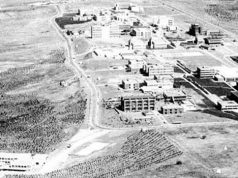


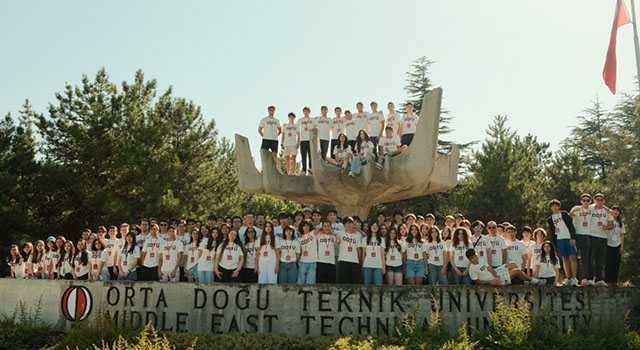
The METU Engineering Summer School has begun, bringing together 88 high school students from six countries for an intensive two-week program focused on engineering, science, and technology. Designed for young people who are curious about how science can be transformed into real-world solutions, the program offers participants an opportunity to experience university life, explore a wide range of engineering disciplines, and engage directly with METU’s academic and research environment.
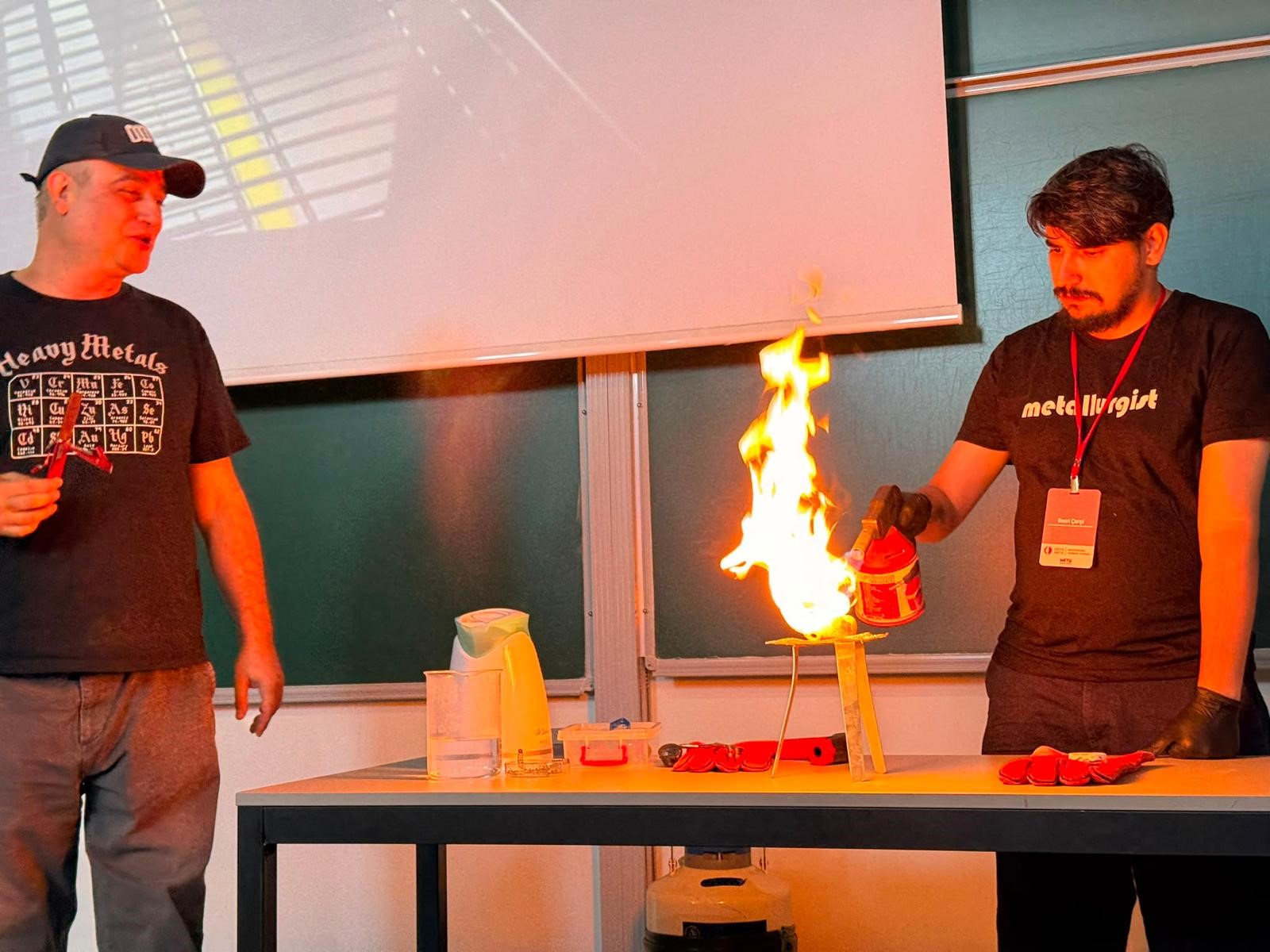
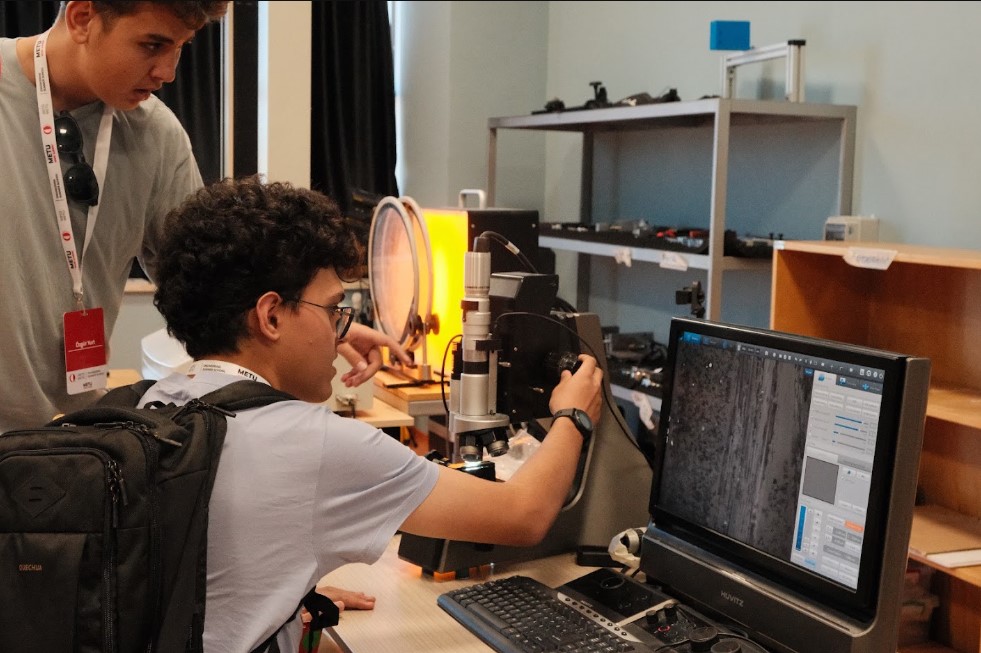
Throughout the program, students take part in both theoretical and hands-on courses covering a broad spectrum of subjects, including aerospace engineering, nanotechnology, robotics, artificial intelligence, food engineering, bio-inspired design, materials science, microelectromechanical systems, energy technologies, and space research. Through lectures, laboratory activities, workshops, design exercises, and team-based projects, participants are encouraged to approach engineering challenges with creativity, scientific curiosity, interdisciplinary thinking, and a strong focus on problem-solving.
The academic program is delivered with the contributions of METU faculty members, researchers, and graduate students. Participants also have the opportunity to meet scientists and engineers affiliated with some of the world’s leading universities and international research institutions, including the Massachusetts Institute of Technology, Leibniz, CERN, and Diamond Light Source in the United Kingdom. Through special seminars and interactive sessions, guest speakers introduce students to emerging research areas, major scientific facilities, and the rapidly evolving challenges shaping the future of science and engineering.
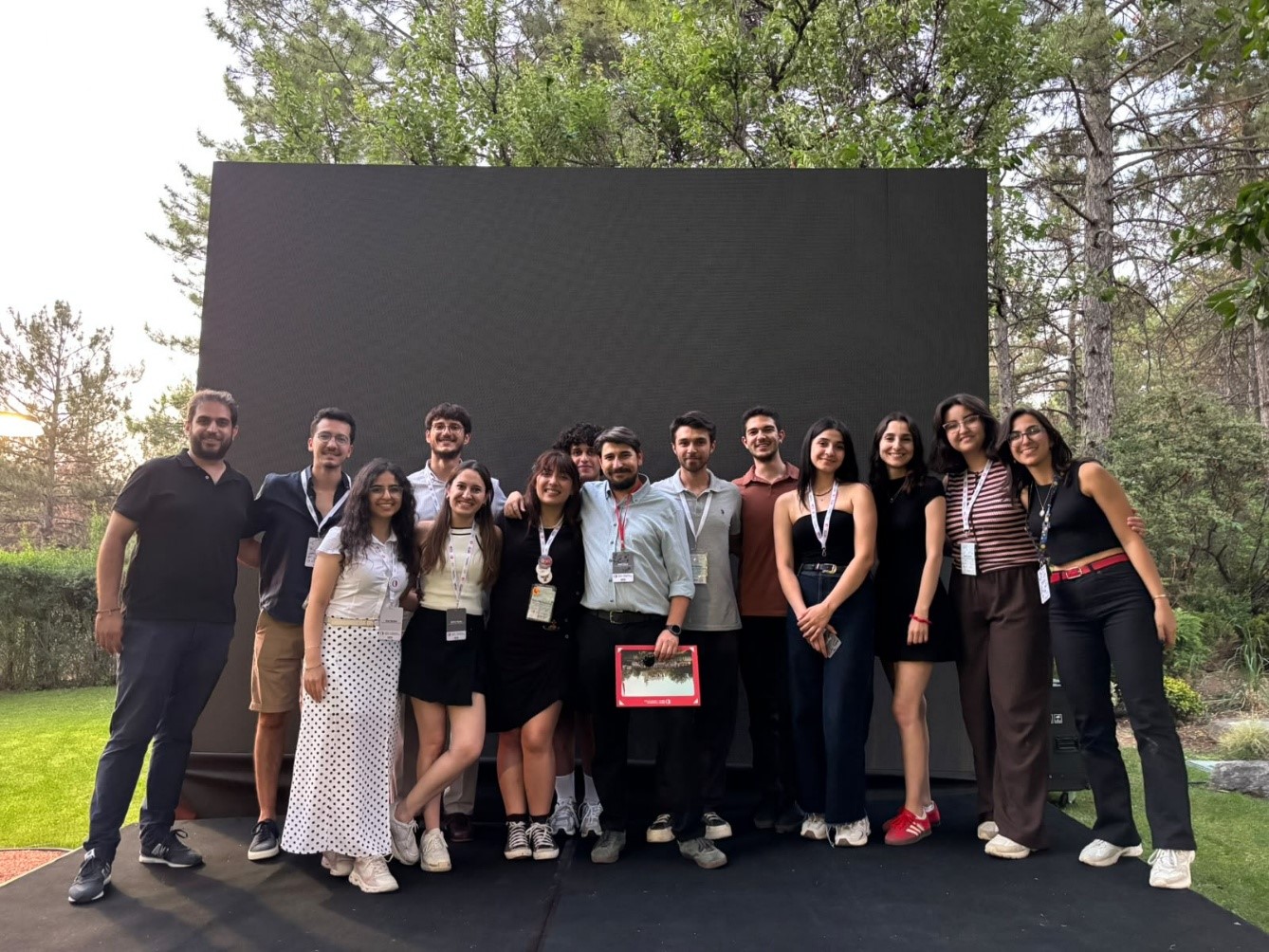
METU undergraduate and graduate students serve as student coaches throughout the summer school. In addition to supporting participants during academic activities and team projects, the student coaches help them adapt to campus life and become familiar with the values, traditions, and collaborative culture of METU. This peer-to-peer interaction allows participants to gain an authentic perspective on studying at METU and to learn directly from students who are actively involved in the University’s academic and social life.
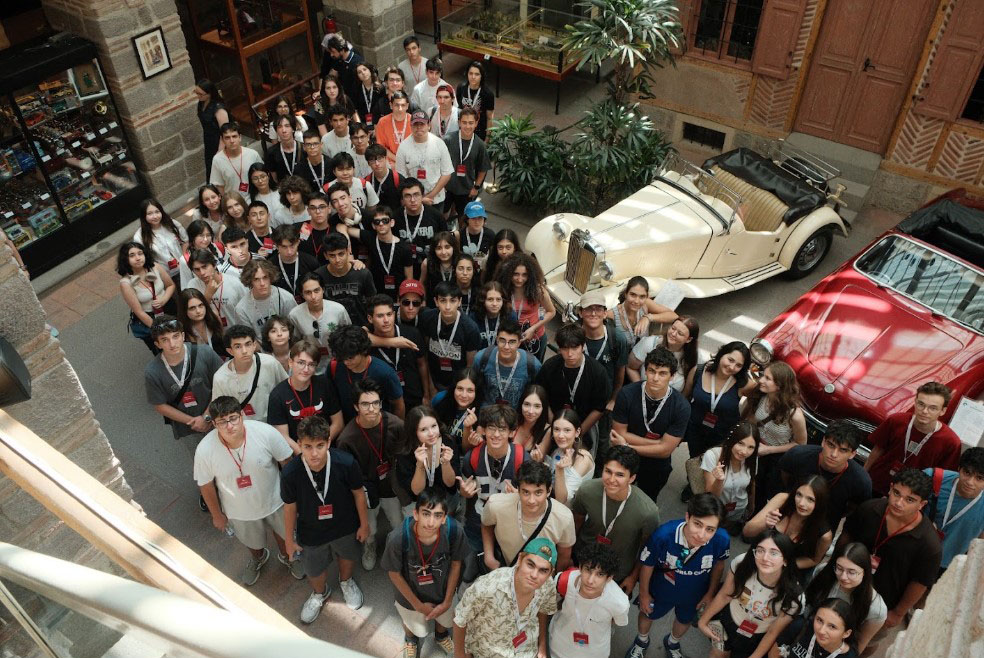
The intensive academic schedule is complemented by cultural, social, and sporting activities organized in collaboration with METU student societies. Campus events, recreational activities, and visits to Ankara and its surrounding areas provide participants with further opportunities to build friendships and experience the wider cultural environment of the University. By working and socializing with peers from different cities and countries, students also strengthen their communication, teamwork, creativity, critical-thinking, and intercultural interaction skills.
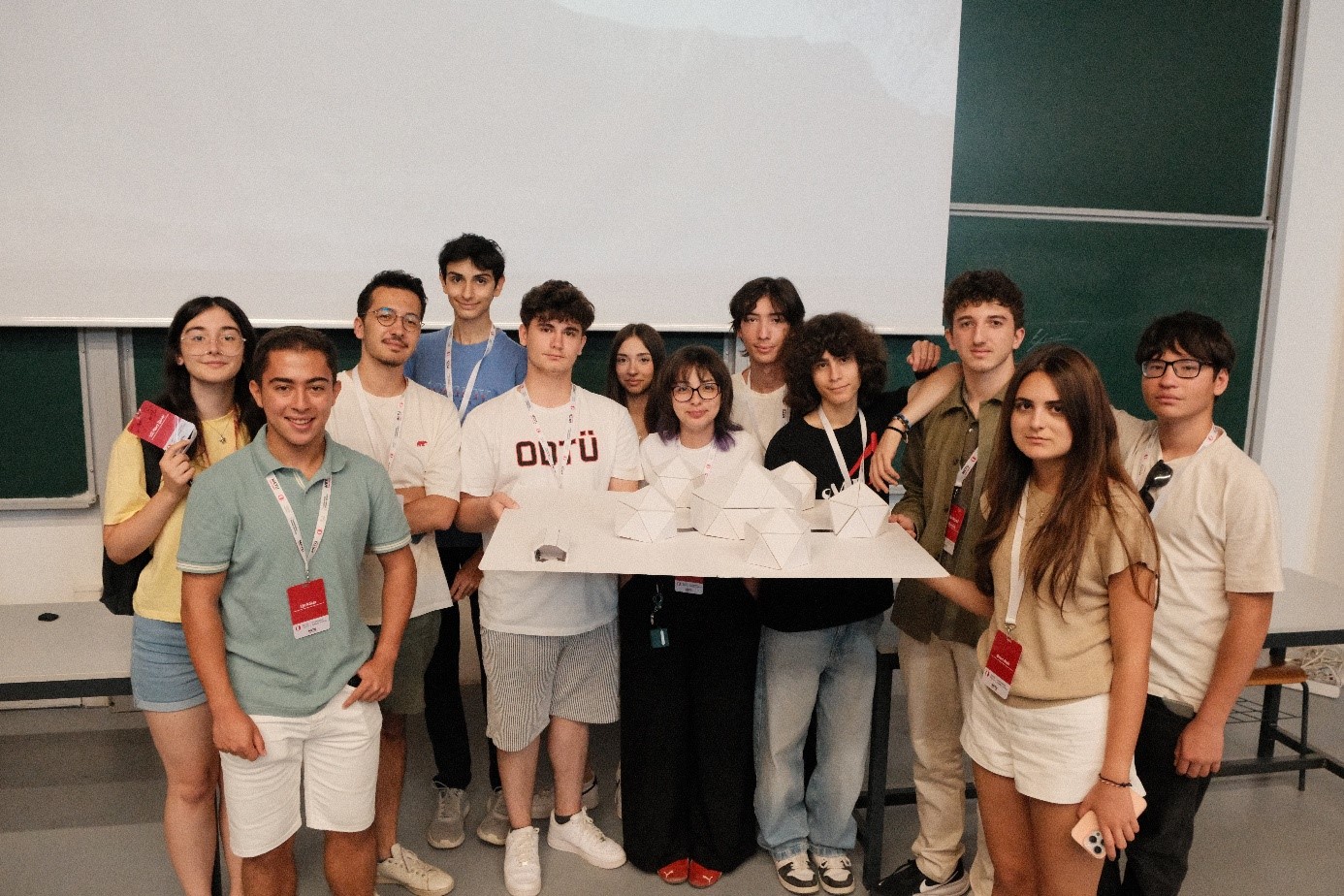
One of the central components of the program is a multidisciplinary engineering design project in which students will develop a concept for a sustainable human settlement on Mars. Working in teams, participants will combine knowledge from materials science, structural design, thermal insulation, energy systems, life-support technologies, robotics, artificial intelligence, and risk management. They will be expected to research the environmental conditions of Mars, identify key engineering constraints, propose integrated technical solutions, and present their final designs to an audience.
The Mars colony project has been structured to resemble a real engineering challenge rather than a conventional classroom assignment. It aims to provide students with experience in research, design, decision-making, task allocation, collaboration, and technical communication. The project also encourages them to consider broader questions concerning sustainability, resource efficiency, human needs, and the social dimensions of future space exploration.
Held under the motto “Engineer Your Future at METU,” the METU Engineering Summer School seeks not only to introduce young participants to different branches of engineering but also to inspire them to become curious, questioning, innovative, and socially responsible individuals. By combining academic learning with experimentation, teamwork, mentorship, and campus life, the program aims to help students recognize their own potential and consider how they may contribute to solving the complex global challenges of the future.
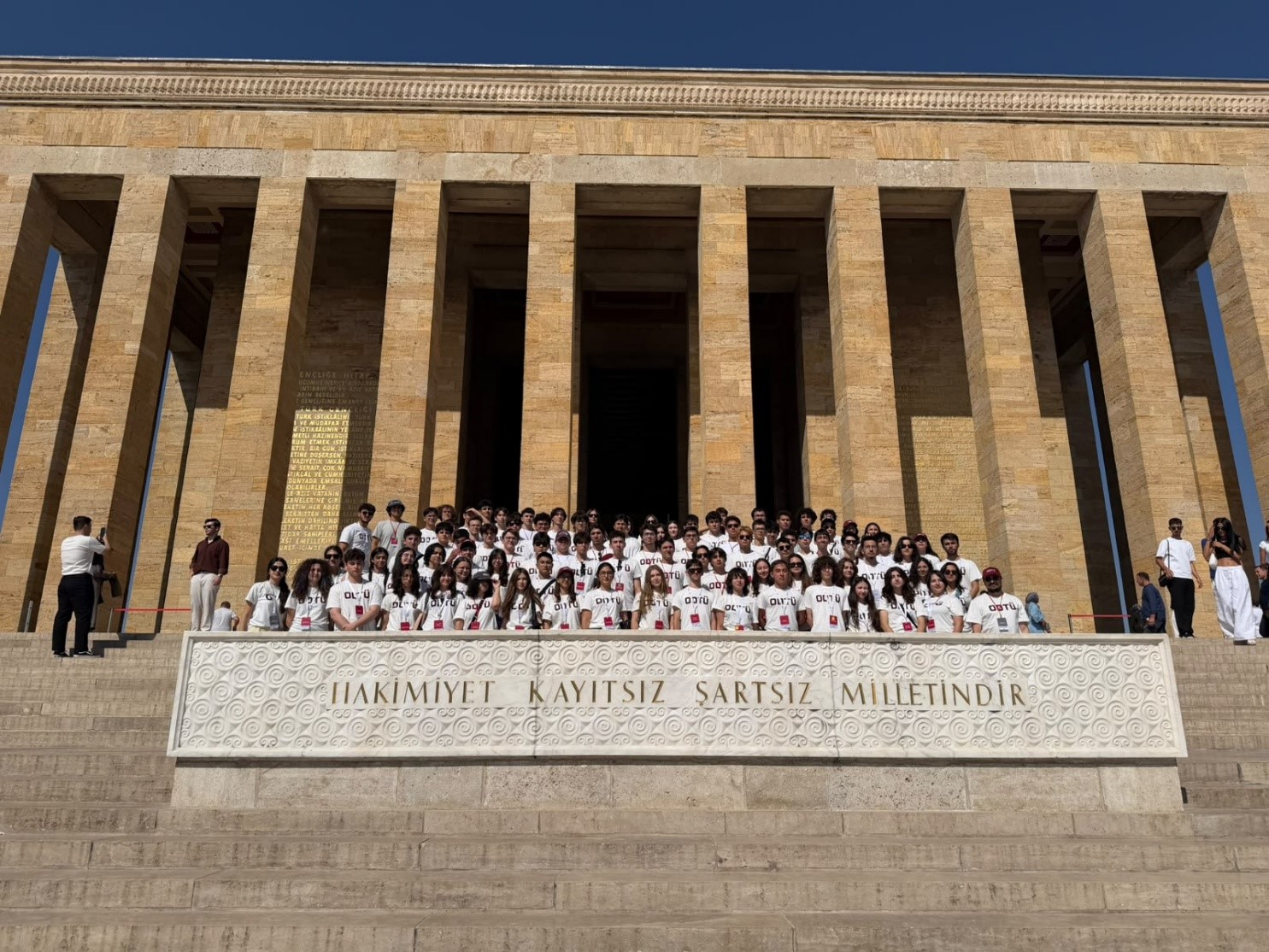
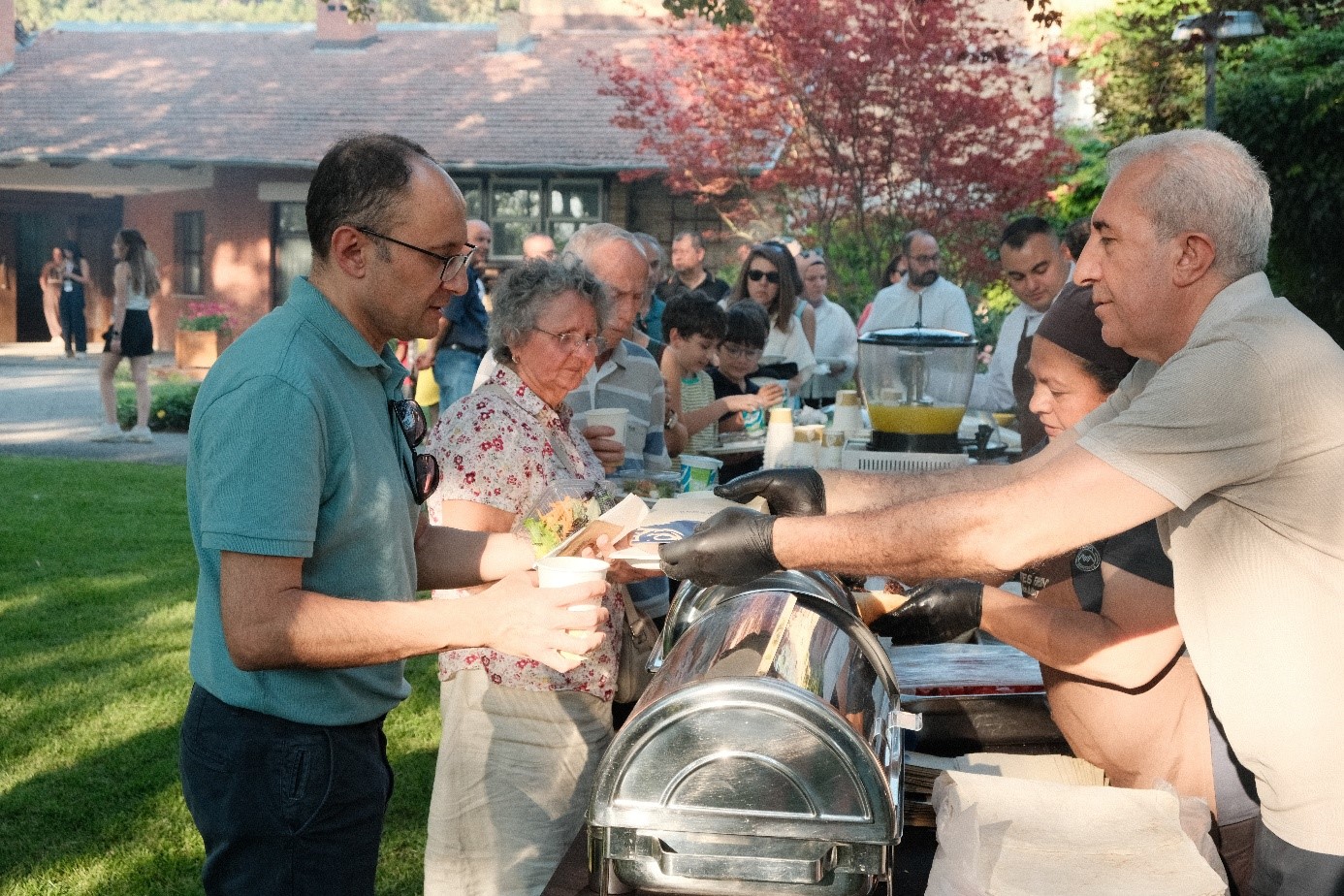
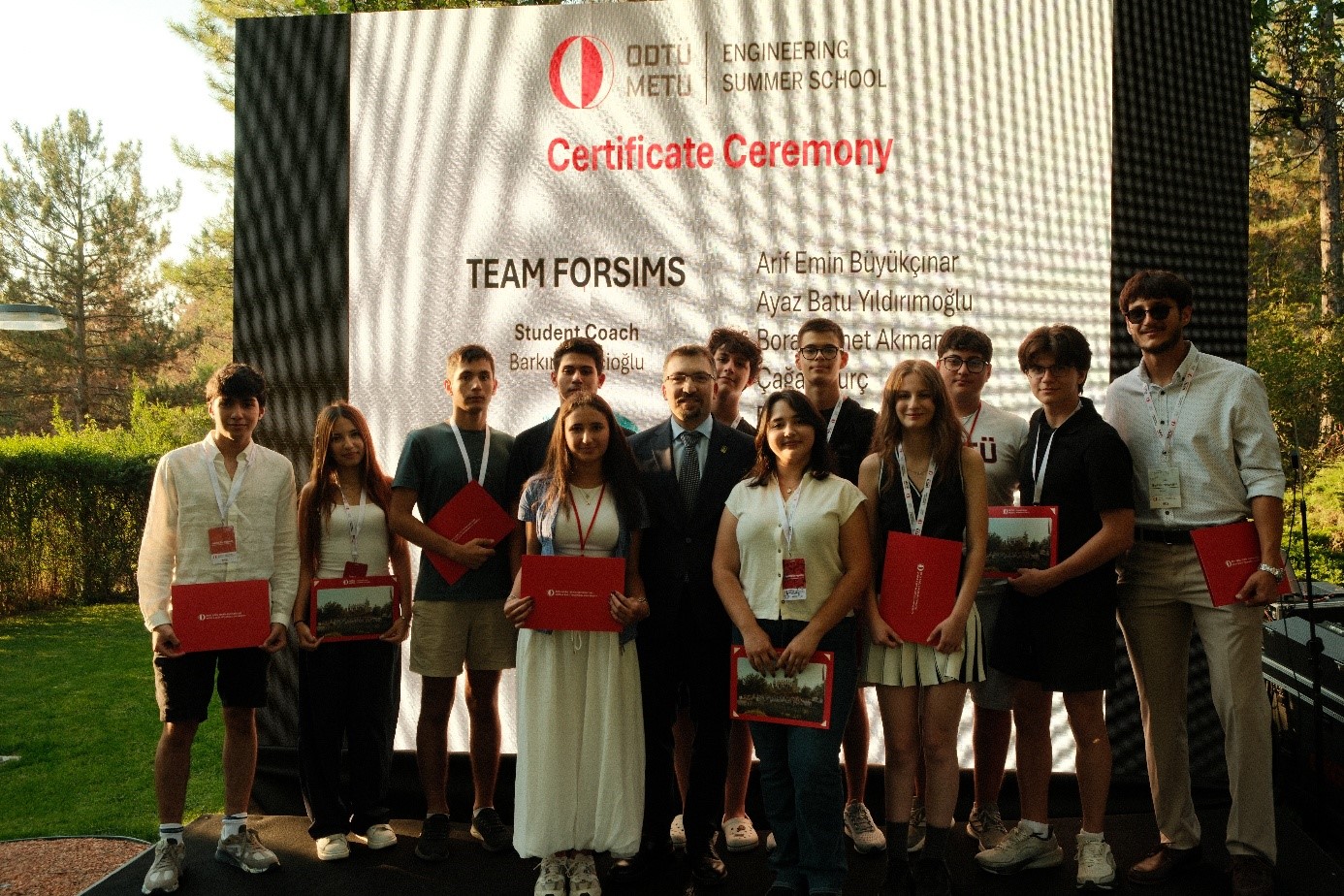
The two-week program concluded with the presentation of the students’ final projects, followed by a certificate ceremony attended by the participants, their families, faculty members, researchers, and student coaches.
For further information: https://www.metuyoungacademy.org/